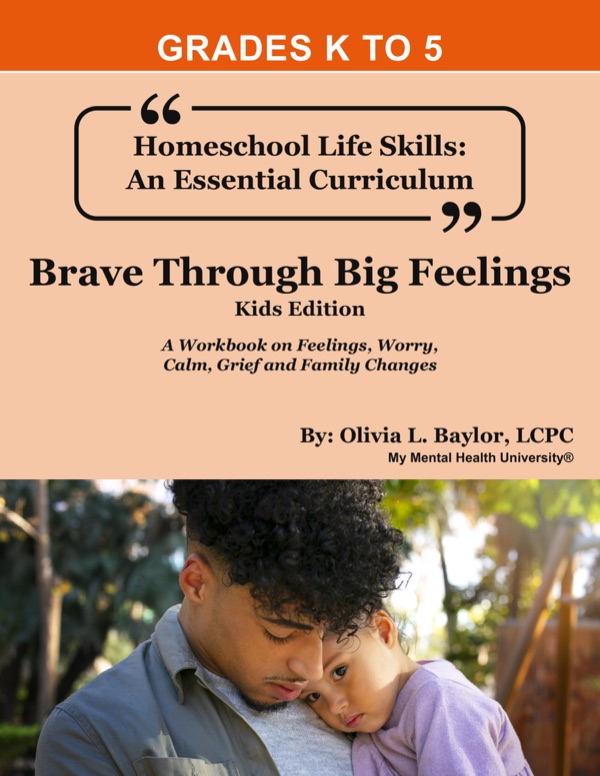
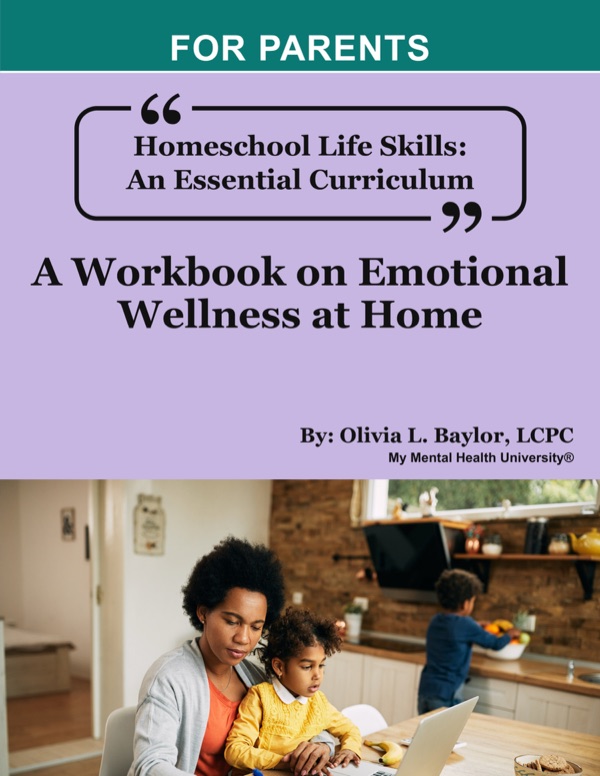
It's 10:15 on a Tuesday. The math page is half done, your child is under the table, and you are wondering whether homeschooling was a mistake.
It wasn't. Meltdowns are one of the most common things homeschool parents describe, and they are not a sign that you are doing it wrong. At home, children often feel safe enough to let their biggest feelings out with the person they trust most: you.
Here is a calm, practical plan you can start today.
What a meltdown really is
A meltdown is a stress response. When a child feels overwhelmed, frustrated or scared, the thinking part of the brain goes "offline" for a while, and the body takes over: crying, yelling, running, freezing or hiding.
That is why reasoning in the middle of a meltdown rarely works. Your child is not ignoring you. In that moment, they cannot use the skills you are asking for.
Calm first, then words, then tools
This is the order that works best for most families.
- Calm first. Lower your voice, slow your body, and stay close if your child wants you close. Say less. "I'm here. You're safe. We'll figure it out."
- Then words. Once breathing slows, name the feeling: "That page felt really frustrating." Naming a feeling helps a child feel understood, and it builds their feelings vocabulary over time.
- Then tools. Only now do you problem-solve together: "Do you want to try the next problem with blocks, or take a 5-minute break first?"
Teaching about what happened comes later, when everyone has calmed down. Sometimes that is an hour later; sometimes it is tomorrow.
Look for the pattern
Meltdowns usually have a pattern. For one week, jot down when each one happens. Look for:
- Time of day: late morning before lunch, or late afternoon?
- Subject: the same subject every time?
- Body needs: hungry, thirsty, tired, or sitting too long?
- Transitions: moving from play to work, or from an easy subject to a hard one?
Many families find one or two small changes help a lot: a protein snack before math, starting with an easy win, or shorter lessons with movement breaks.
Make a calm-down plan on a good day
The best time to plan for a hard moment is when nobody is upset. Sit down together and make a simple calm-down plan:
- My early warning signs (tight fists, hot face, wanting to hide)
- Three calm tools I like (slow breathing, a drink of cold water, my calm spot)
- Where my calm spot is
- Grown-ups I can go to
Practice the tools for a minute or two on calm days, like a fire drill. When a hard moment comes, the plan is already familiar.
Free printable: the Calm Start Check-In
Our free Calm Start Check-In includes a morning feelings check-in and a fill-in calm-down plan. It takes five minutes before lessons and helps you spot a hard day early. Get the free printable.
Repair matters more than perfection
You will lose your cool sometimes. Every parent does. What matters most is repair: "I yelled earlier, and I'm sorry. I was frustrated, and I'm working on staying calm too." Repair teaches your child that big feelings can be handled, and that relationships survive hard moments.
When to get more help
A workbook and a plan can do a lot, but they are not therapy. Talk with your child's doctor or a licensed counselor if meltdowns happen most days, last a long time, involve hurting themselves or others, or get in the way of sleep, eating, friendships or learning. If a child is in danger, call or text 988 in the US, or call 911.